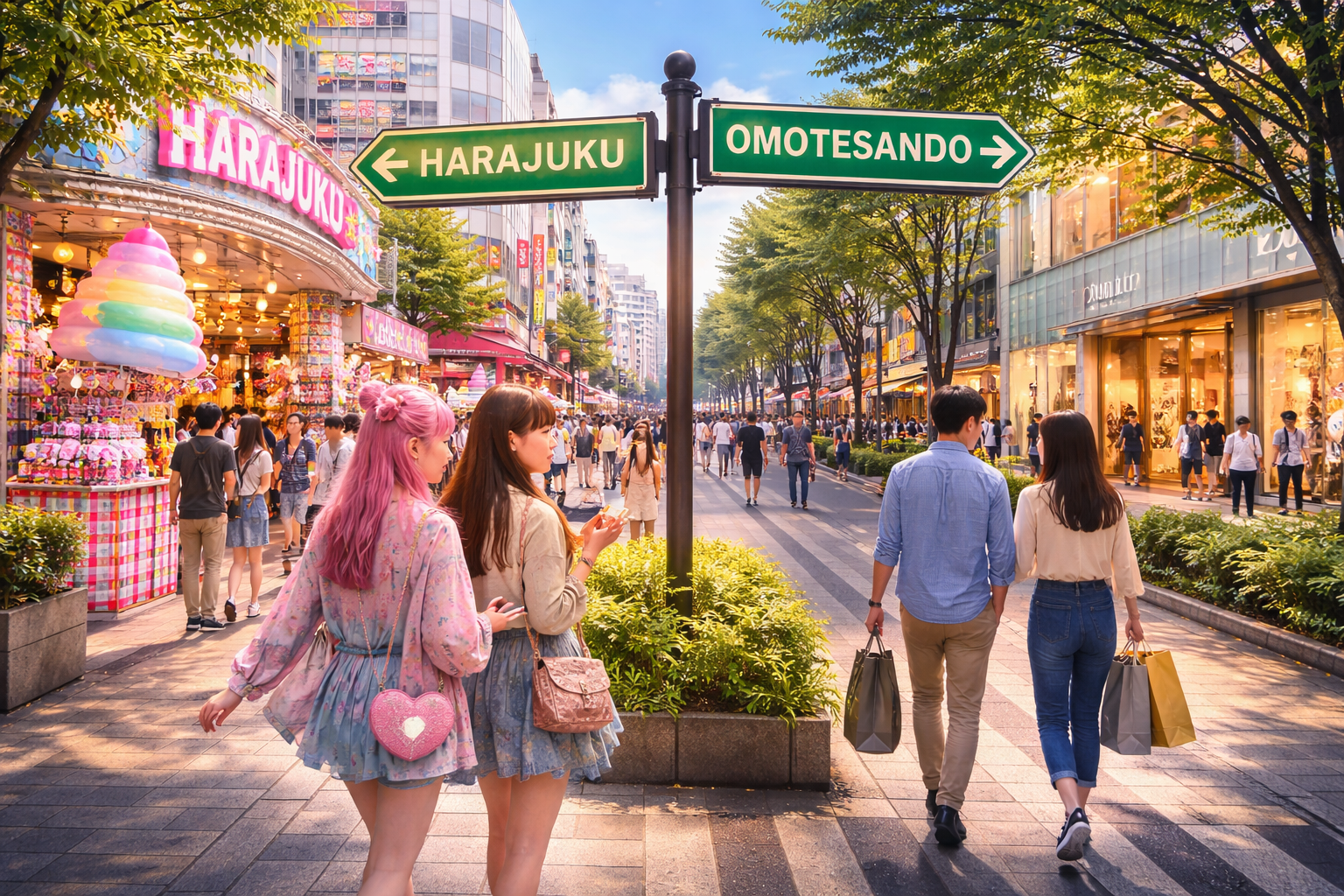
Imagine standing at a Tokyo crossroads. To your left, a chaotic, candy-colored street throbs with pop music and imaginative outfits. To your right, a serene, tree-lined avenue hosts the world’s most elegant brands. This isn’t a fantasy—it’s the real-life experience of standing between Harajuku and Omotesando, two of Tokyo’s most famous fashion districts that are, impossibly, just a five-minute walk apart.
Think of them as siblings with opposite personalities. Harajuku is the loud, energetic teenager, a global hub for experimental Tokyo street style where self-expression rules. Omotesando is its chic, successful older sibling—polished, sophisticated, and home to architectural marvels and high-fashion flagships. The stark contrast between them is precisely what makes the area so fascinating and essential to understanding the city’s culture.
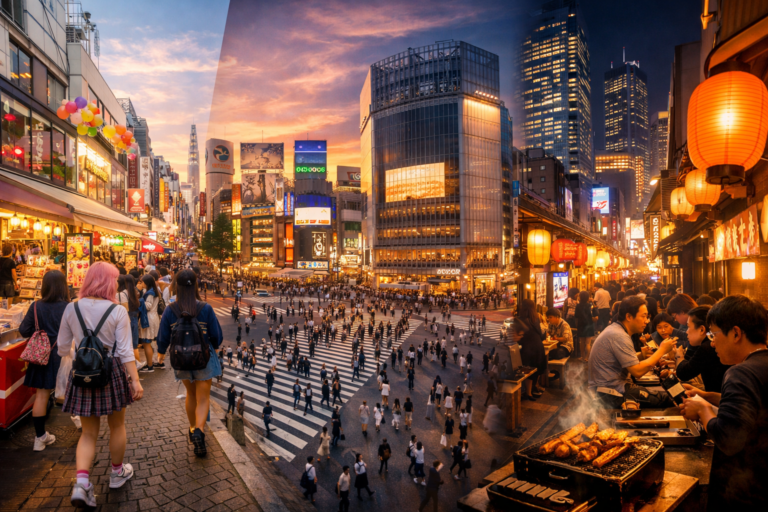
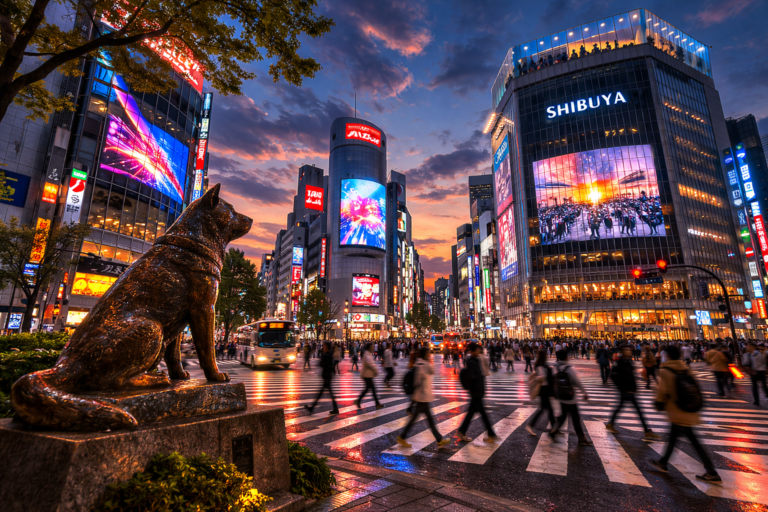
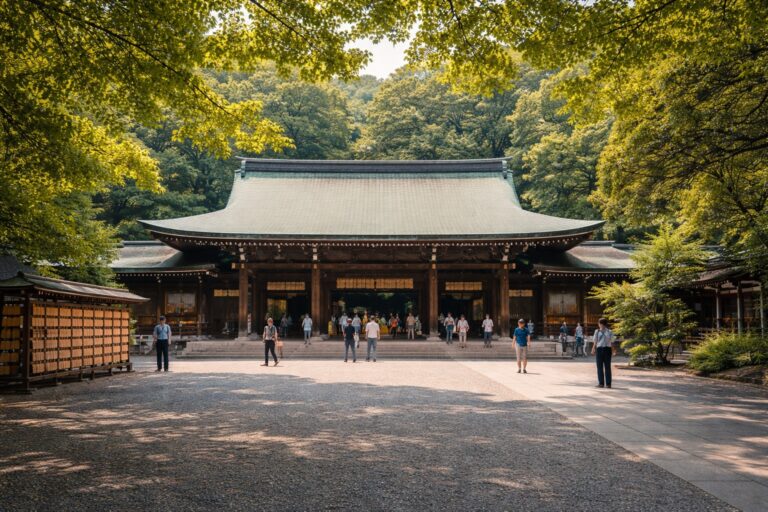
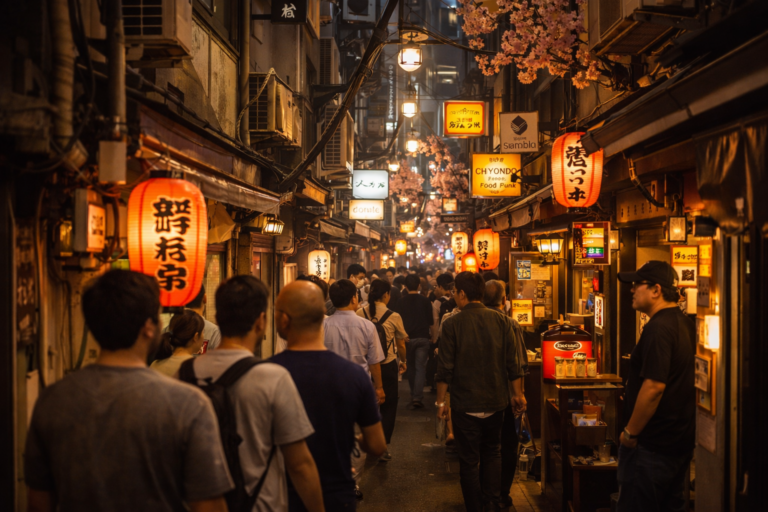
You may be arriving here as the second chapter of our one-day Tokyo itinerary—often right after the quiet morning walk through Meiji Jingu + Yoyogi Forest. From here, the route naturally continues down Omotesando toward Shibuya, timed for Hachiko and Shibuya Crossing, then Shibuya Sky at sunset, before ending the day with dinner and drinks in Shinjuku at night. If you’re following that flow, this guide is your “middle bridge” from calm to high-energy.
This post stays focused on what to do in Harajuku and along Omotesando—where to wander, what to snack on, and how to walk it in the most enjoyable order. When you’re ready to keep moving, jump next to the Shibuya deep dive , or return to the full one-day itinerary hub for the complete timing and transit.
Stay online during your Japan trip
You’ll lean on Google Maps for station exits, train transfers, and walking routes—so reliable data keeps the itinerary smooth.
Genki Mobile offers three simple ways to stay online in Japan:
- Pocket Wi‑Fi for Japan travel: Best for groups or multiple devices (everyone connects to one hotspot).
- Japan Travel eSIM: Best if your phone supports eSIM and you want the lightest setup (no extra device). Quick to activate and ideal for solo travelers.
- Japan Tourist SIM card: Best if you prefer a traditional swap-in option or your phone doesn’t support eSIM.
Genki Mobile’s Japan travel Pocket Wi-Fi and SIM cards can be delivered to Haneda Airport, Narita Airport, or directly to your hotel, so you can get online as soon as you arrive in Japan.
With dependable data, you can navigate big stations, confirm opening hours, and adjust timing on the fly without stress.
What is Takeshita Street Famous For? Your Guide to Harajuku’s Chaotic Heart
To truly understand Harajuku, you must first experience Takeshita Street. It’s less a street and more a narrow, 400-meter-long pedestrian runway, packed shoulder-to-shoulder and throbbing with youthful energy. J-pop music spills from tiny, crowded shops as the sweet scent of sugar hangs in the air, creating a full sensory overload the moment you step off the main road.
So, what is Takeshita Street famous for?
Colorful Snacks
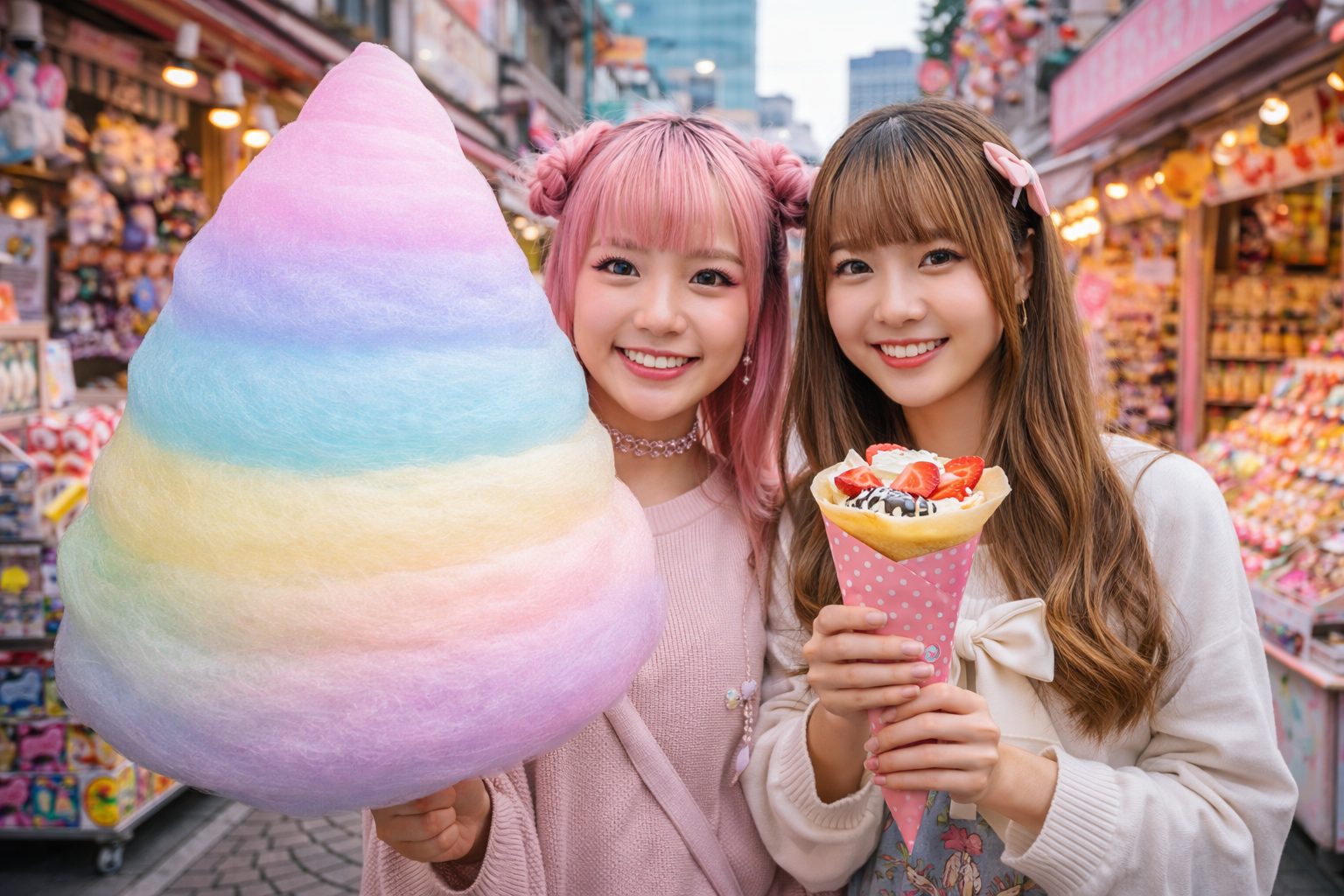
Above all, its iconic, over-the-top street food. You simply can’t walk ten feet without spotting someone posing with a cloud of giant rainbow cotton candy or clutching a delicate dessert crepe, folded perfectly around whipped cream and fresh strawberries. These snacks aren’t just for eating; they’re fashion accessories, designed to be seen and photographed.
Kawaii Culture
This explosion of color and playfulness is the very essence of kawaii, Japan’s beloved culture of cuteness. From the shops overflowing with cartoon character socks and playful accessories to the food itself, nearly everything on Takeshita Street is designed to be unapologetically adorable. It’s the undisputed epicenter of modern kawaii culture, influencing trends far beyond its narrow lane.
Youth Fashion
For decades, this street has been the vibrant incubator for Tokyo’s youth fashion. It isn’t just a place to shop—it’s a stage where teenagers come to see, be seen, and express themselves freely. This makes Takeshita Street the loud, chaotic, and wonderfully creative heart of Harajuku.
How to Find Harajuku’s Real Style: A Look into Ura-Harajuku’s Hidden Gems
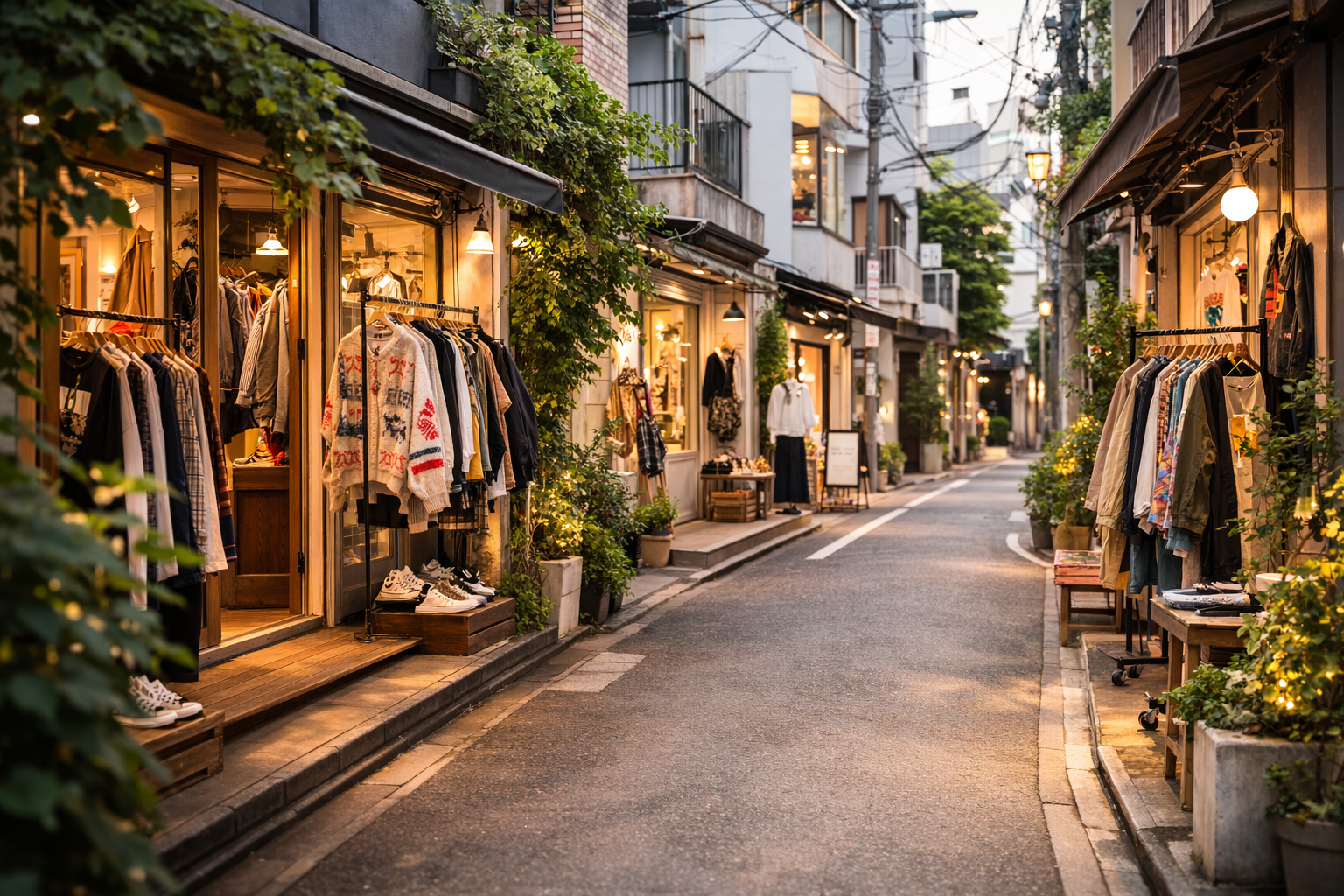
While Takeshita Street is Harajuku’s famous face, the neighborhood’s creative soul lives in its backstreets. Known collectively as Ura-Harajuku, or “Back Harajuku,” this sprawling network of quieter lanes offers a complete escape from the crowds. Here, the frantic energy of kawaii gives way to a more relaxed, curated vibe. This is where you’ll discover the real, trendsetting Harajuku fashion, away from the tourist-focused souvenir shops.
Instead of rainbow cotton candy, you’ll find independent boutiques, high-end sneaker stores, and some of Tokyo’s best vintage clothing shops. These carefully curated spaces are treasure troves for anyone seeking authentic, one-of-a-kind pieces, from classic American workwear to rare designer finds. The focus shifts from disposable cuteness to enduring cool, attracting local stylists and fashion insiders rather than passing tour groups.
The best way to explore Ura-Harajuku is simply to get lost. Wander off the main roads and explore the maze of streets that connect Harajuku to its sophisticated neighbor. As you walk, you’ll feel the atmosphere slowly transform, with youthful creativity gradually blending into a more polished, adult aesthetic, leading you directly toward a completely different world.
Just a 5-Minute Walk Away: Discover Omotesando, Tokyo’s ‘Champs-Élysées’
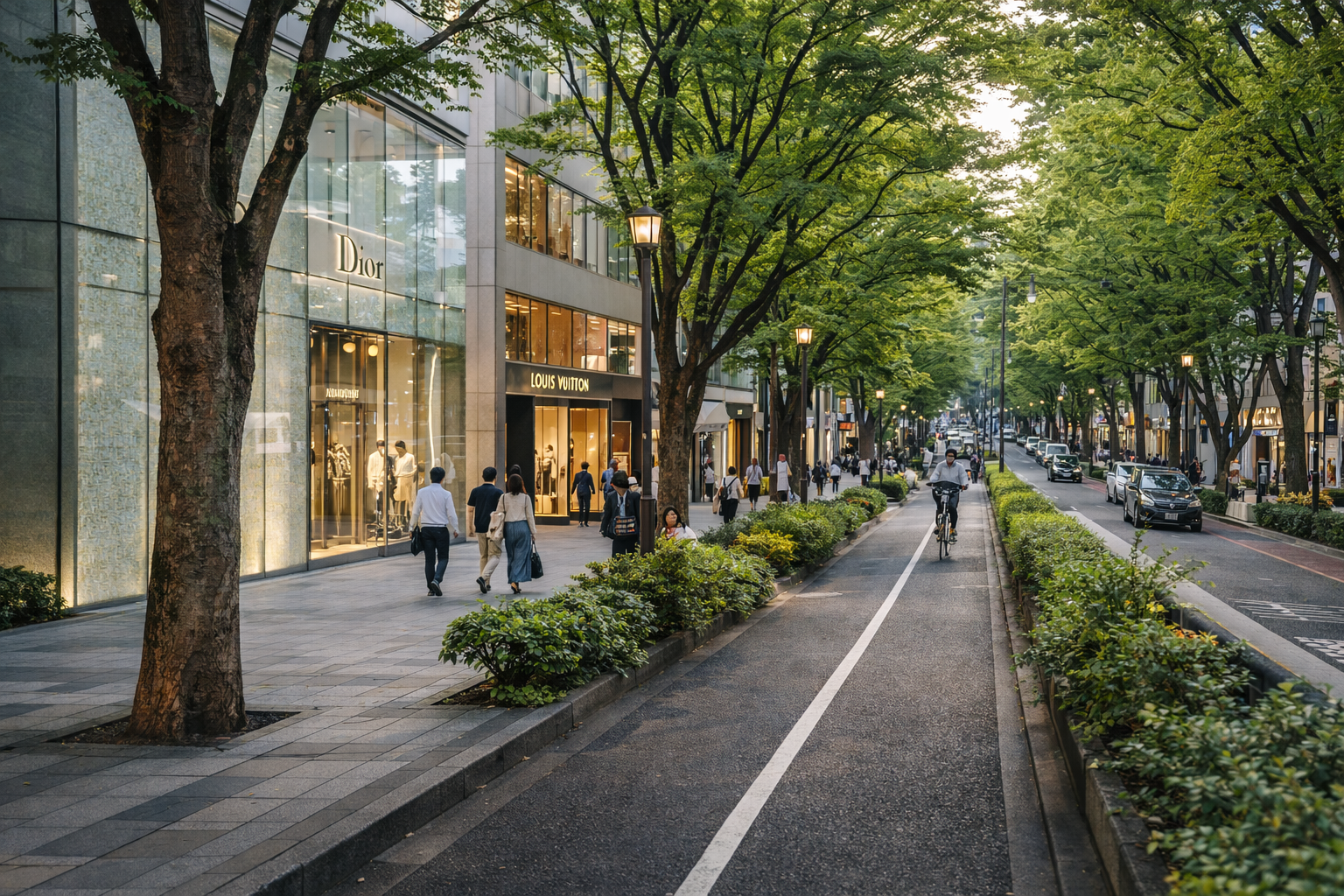
As you emerge from the quiet backstreets of Ura-Harajuku, the entire atmosphere shifts. The narrow, winding lanes give way to a grand, sweeping boulevard lined with magnificent Zelkova trees. This is Omotesando, and the change is immediate and striking. The youthful buzz of Harajuku fades, replaced by a sense of calm, sophisticated elegance. Often called Tokyo’s Champs-Élysées, this avenue trades playful chaos for polished composure, serving as the city’s premier showcase for luxury, architecture, and grown-up style.
Here, the fashion on display is less about creative self-expression and more about refined taste and status. The storefronts tell the whole story: instead of shops selling cute socks and character keychains, you’ll find the stunning flagship stores of global powerhouses like Dior, Louis Vuitton, and Prada. The shoppers themselves reflect this shift, with trend-chasing teenagers replaced by impeccably dressed adults browsing high-end boutiques and relaxing at chic, open-air cafes. It’s a world where quality and timelessness are valued above all else.
Ultimately, the contrast between Harajuku fashion vs. Omotesando style is what makes the area so compelling. If Harajuku is the vibrant, experimental playground for youth, Omotesando is where style graduates. The five-minute walk from Harajuku station to Omotesando isn’t just a short stroll; it’s a journey from one major cultural pole to another, highlighting the incredible diversity of Tokyo’s fashion landscape.
Beyond the Price Tags: An Architecture & Shopping Guide to Omotesando
While the Omotesando luxury brand stores can feel intimidating, the area’s greatest treasures are free to experience. Think of the boulevard less as a shopping list and more as an open-air gallery of modern architecture. The brands here don’t just sell products; they compete to build the most spectacular, eye-catching buildings, turning a simple stroll into a visual feast. This focus on design is what truly defines the Omotesando shopping experience.
The centerpiece of this is Omotesando Hills, a shopping complex that feels more like an art installation. Instead of stairs or escalators, its interior is built around a long, continuous ramp that gently spirals up six floors. The design cleverly mimics the natural slope of the avenue outside, making you feel as though you’re still walking along the tree-lined street, just indoors. This unique architectural space is a must-see, even if you just window shop.
This architectural ambition isn’t confined to one building. Just a short walk away, you’ll find the iconic Prada building, a breathtaking structure that looks like a giant, soft bubble made of quilted glass. Each building is a statement, making the entire neighborhood a landmark. This blend of high fashion and bold design creates a uniquely sophisticated atmosphere, setting the stage for the creative fusion found on nearby Cat Street.
A Walking Guide to Cat Street: Where Harajuku’s Creativity Meets Omotesando’s Cool
Tucked between Harajuku’s youthful energy and Omotesando’s polished elegance is the neighborhood’s secret weapon: Cat Street. This winding, pedestrian-friendly lane is where the two extremes find a perfect middle ground. The atmosphere is instantly more relaxed, trading the shoulder-to-shoulder crowds of Takeshita Street for a leisurely buzz. It’s the ideal spot for those who find Harajuku a bit overwhelming but aren’t looking for high luxury, offering a curated slice of Tokyo’s trendsetting culture without the sensory overload.
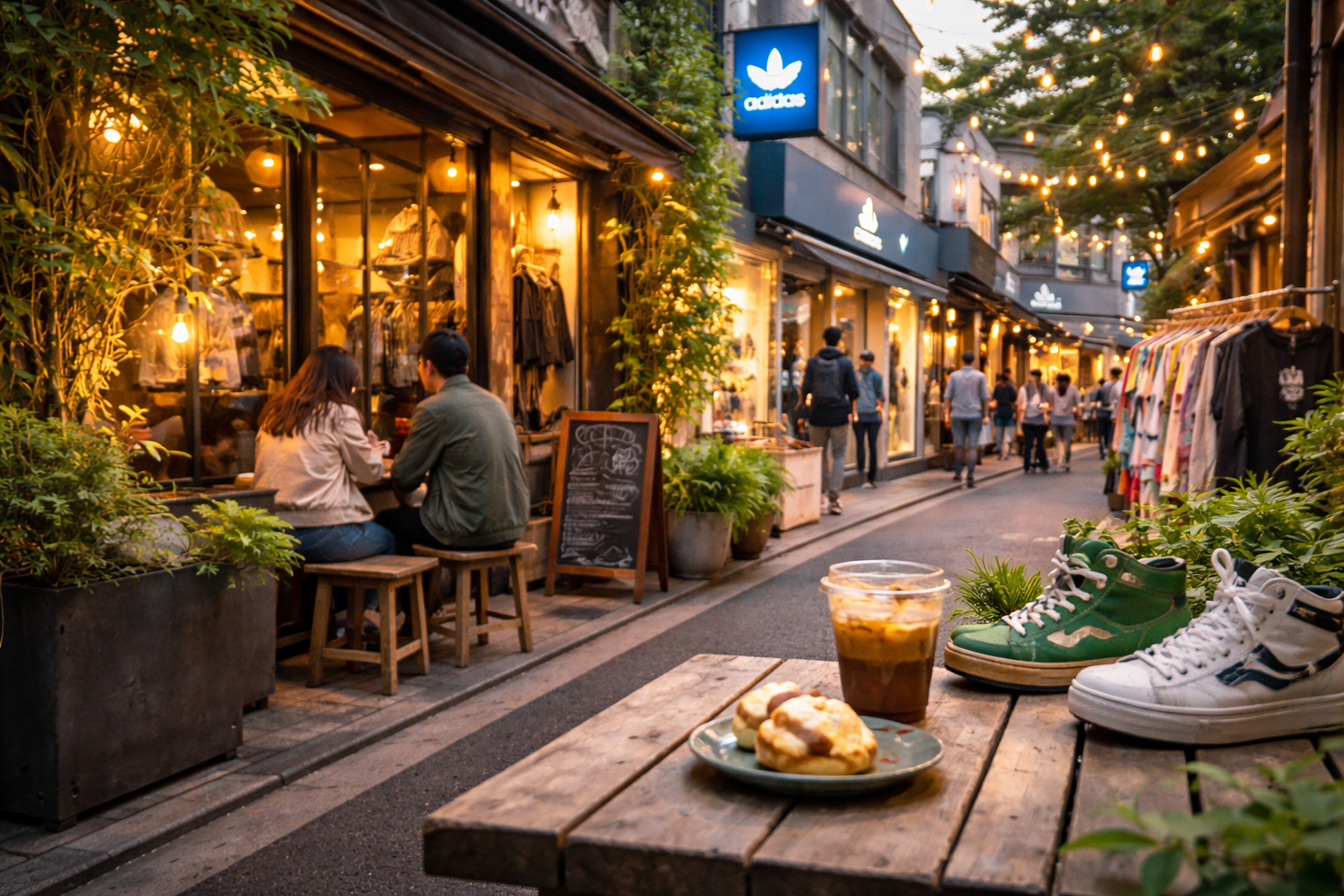
Here, the focus shifts from costume-like outfits to wearable Tokyo street style. The shops lining Cat Street are a mix of indie boutiques, curated vintage stores, and flagship locations for global streetwear brands like Patagonia and Adidas. You won’t find rainbow cotton candy or thousand-dollar handbags; instead, you’ll discover up-and-coming Japanese designers, limited-edition sneakers, and hip lifestyle shops selling everything from artisanal coffee to stylish camping gear. This is where many of Tokyo’s most fashionable residents actually come to shop and hang out.
Beyond just being a shopping destination, Cat Street also functions as a fantastic and scenic walking route connecting the Harajuku area to the famous Shibuya district. Following its path offers a far more interesting journey than navigating the main traffic-choked roads. But after exploring all this concrete and commerce, you might be craving a moment of peace. Luckily, a truly serene escape is waiting just steps from Harajuku Station.
Your Tokyo Journey Continues: Next Stop, Shibuya
You’ve just navigated the vibrant chaos of Takeshita Street and the sleek sophistication of Omotesando, seeing firsthand how two distinct worlds of fashion and culture can exist side-by-side. You now have the perspective to look beyond the stereotypes and appreciate the unique energy of each street, moving through the area not as a confused tourist, but as an informed observer.
Your Tokyo adventure doesn’t stop here. The iconic neighborhood of Shibuya is so close, it’s the perfect next chapter. For a quick trip, hop on the train at Harajuku Station for a single stop. But for a more interesting transition from Harajuku to Shibuya, take the 15-minute stroll down Cat Street, a quieter lane filled with cool boutiques that bridges the two districts seamlessly.
Either path will lead you toward the electric energy of the famous Shibuya Scramble crossing and the incredible city views from Shibuya Sky. To see how this afternoon’s exploration connects to a full day of discovery, check out our complete Tokyo day trip guide.
Ready to dive into the world’s busiest intersection? Continue your journey with our Shibuya Guide.
To see how this all fits into a perfect day in West Tokyo, be sure to check out our Tokyo Day Trip: Explore Harajuku, Shibuya & Shinjuku.
Q&A
Question: How do Harajuku and Omotesando differ, and why should I visit both?
Short answer: They’re neighboring districts with opposite vibes that together reveal Tokyo’s fashion DNA. Harajuku is the loud, experimental teenager—home to playful, youth-driven street style and self-expression. Just five minutes away, Omotesando is the chic older sibling—calm, tree-lined, and defined by refined taste, luxury flagships, and landmark architecture. Experiencing both is like walking between two cultural poles: Harajuku’s creative chaos and Omotesando’s polished elegance.
Question: What is Takeshita Street famous for?
Short answer: It’s the 400-meter, pedestrian-only heart of kawaii culture—part runway, part sugar rush. Takeshita Street is known for over-the-top, photogenic street food (think giant rainbow cotton candy and delicate dessert crepes), cramped J-pop-infused shops, and accessories designed as much for the camera as for daily use. Beyond shopping, it’s a stage where teens go to see and be seen, making it the loud, creative core of modern Harajuku style.
Question: Where can I find the “real” Harajuku style beyond the tourist crowds?
Short answer: Head into Ura-Harajuku (“Back Harajuku”), the quieter maze of backstreets. Here the focus shifts from disposable cuteness to enduring cool—independent boutiques, high-end sneaker spots, and some of Tokyo’s best vintage stores stocked with everything from American workwear to rare designer finds. The best approach is to wander: as you drift toward Omotesando, the vibe subtly blends from youthful experimentation to a more curated, adult aesthetic.
Question: Is Omotesando worth visiting if I’m not shopping luxury?
Short answer: Absolutely—treat it as an open-air design museum. The Zelkova-lined boulevard showcases ambitious architecture: Omotesando Hills features a unique six-floor interior ramp that mirrors the street’s slope, and nearby standouts like the quilted-glass Prada building turn window-shopping into sightseeing. Even without buying a thing, the blend of landmark design, serene atmosphere, and flagship showcases makes Omotesando a free, visually rich experience.
Question: What’s the best walk from Harajuku to Shibuya, and where can I take a quiet break?
Short answer: Follow Cat Street for a relaxed, scenic route that bridges Harajuku’s creativity with Omotesando’s cool—lined with indie boutiques, curated vintage, and global streetwear (think limited-edition sneakers and stylish lifestyle shops). For a breather from the buzz, step across from JR Harajuku Station into the forested calm of Meiji Shrine and Yoyogi Park; pass under the giant wooden torii for an instant reset before continuing to Shibuya’s energy.