

Let’s face it: Japanese summers can be famously unforgiving. The moment the rainy season (tsuyu) clears, the country is blanketed in a thick, shimmering heat accompanied by the relentless chorus of cicadas (semi). However, beyond the soaring temperatures lies a season brimming with cultural vibrancy, breathtaking outdoor adventures, and unforgettable culinary experiences.
If you are wondering exactly what to do in Japan during summer, you are in the right place. When you live here, you can experience the season beyond the typical checklist. From local neighborhood festivals to pristine alpine rivers, this guide will help you embrace the heat and create unforgettable memories.
Surviving and Thriving in the Heat
Before diving into the fun, you need a solid foundation for staying comfortable. The key is to blend modern conveniences with traditional wisdom.
Your Drugstore Survival Toolkit
Japanese pharmacies are treasure troves of seasonal innovations. Stocking up on cooling products at Japanese drugstores is your first line of defense. Keep an eye out for:
- Cooling Body Wipes (Body Sheets): Brands like Gatsby and Bioré offer menthol-infused wipes that instantly drop your skin temperature and eliminate sweat.
- Cooling Neck Rings: These PCM (phase change material) rings freeze below 28°C (82°F) and sit comfortably around your neck, providing hours of relief.
- Clothing Sprays: Spritz these minty sprays on your undershirts before heading out; they react with your sweat to create a chilling sensation.
- UV Parasols (Higasa): Don’t underestimate the power of a high-quality UV-blocking umbrella to create your own personal shade.
Staying Safe During Festivities
Summer events are incredibly crowded, which amplifies the heat. Preventing heat exhaustion during Japanese matsuri requires proactive planning. Always carry a frozen bottle of barley tea (mugicha) or an electrolyte drink like Pocari Sweat. Take frequent breaks in air-conditioned convenience stores, and never underestimate the intense evening humidity, which can be just as draining as the midday sun.
Embrace the Culture: Matsuri and Hanabi
Summer in Japan is practically synonymous with lively outdoor celebrations. The sheer volume of Japan summer events means you can find a local celebration almost every weekend from July through August.
Best Festivals to Put on Your Summer List
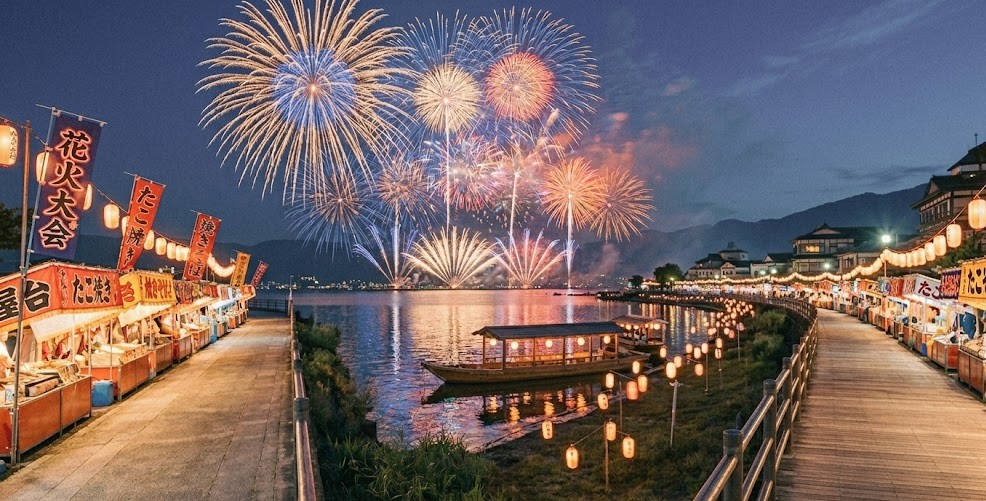
While visitors flock to Kyoto’s Gion Matsuri, many people who live in Japan also love smaller, more local celebrations that are easier to enjoy on a normal weekend. Some of the most mesmerizing summer festivals Japan has to offer include:
- Koenji Awa Odori (Tokyo): A massive, high-energy dance festival where you can cheer on local troupes right from the neighborhood streets.
- Gujo Odori (Gifu): A deeply traditional dance festival that spans 30 nights, culminating in all-night dancing during the Obon period.
- Aomori Nebuta Matsuri (Aomori): Famous for its massive, illuminated floats. You can even rent a haneto costume and join the dancing yourself!
Fireworks Displays and Traditional Attire
No summer is complete without attending a fireworks festival (hanabi taikai). The scale and artistry of Japanese fireworks are unparalleled. If you live in the capital, the top hanabi locations in Kanto include the massive Sumidagawa Fireworks Festival, the Edogawa Fireworks Festival, and the scenic Yokohama Minatomirai display. To secure a good viewing spot, lay down your blue tarp (leisure sheet) early in the day—a classic local move.
To fully immerse yourself in the experience, donning traditional cotton wear is a must. However, knowing how to wear a yukata properly is crucial. The golden rule: always fold the left side of the garment over the right side. Wrapping right-over-left is reserved strictly for dressing the deceased. Invest in a pre-tied tsukuri obi if you are a beginner, and pair your yukata with comfortable geta (wooden sandals) to complete the look.
Summer Culinary Delights
When the heat drains your energy (a condition known locally as natsubate), it is time to turn to the kitchen. Japanese food culture has specifically adapted to combat summer fatigue.
Eating for Stamina
To keep your energy levels up, locals rely heavily on traditional summer foods for stamina. Unagi (freshwater eel) is rich in vitamins and protein, historically eaten on the Day of the Ox in mid-summer. If you want something lighter, somen (thin wheat noodles served in ice water) and hiyashi chuka (chilled ramen) are incredibly refreshing staples.
Cool Downs and Evening Cheers
When you need an immediate cooldown, shaved ice is the ultimate remedy. Exploring artisanal kakigori flavors and the best shave-ice shops has become a modern summer obsession. Move over, artificial festival syrups; today’s premium kakigori features fluffy, snow-like ice topped with fresh seasonal fruit purees, matcha, roasted green tea (hojicha), and sweetened condensed milk. Neighborhoods like Yanaka in Tokyo and historic areas in Kyoto boast renowned shops where the ice is sourced directly from natural mountain springs.
As the sun sets, socializing moves to the rooftops. Gathering at summer beer gardens in major Japanese cities is one of the most beloved summer activities. From the elegant rooftop terraces of Shinjuku and Ginza department stores to the sprawling outdoor parks in Sapporo, these venues offer all-you-can-drink beer and barbecue under the night sky.

Outdoor Adventures and Escapes
If you are based in a big city, escaping the concrete jungle can make summer feel instantly more magical. Whether you are seeking high-adrenaline sports or tranquil nature, Japan’s diverse geography has you covered.
Mountain Retreats and Rivers
If you want a quick weekend getaway, look for hidden mountain retreats near Tokyo. Areas like Okutama, the breezy highlands of Karuizawa, or the misty forests of Hakone offer temperatures several degrees cooler than the city.
For the adventurous, getting out on the water is an absolute thrill. If you are wondering where to go for river rafting in Japan, head straight to Minakami in Gunma Prefecture. Known for its world-class white water, the Tone River offers spectacular rapids. Alternatively, the Yoshino River in Shikoku provides some of the best rafting in the country amidst stunning gorge scenery.
Fireflies and Island Getaways
Early summer (June to early July) brings a quiet, magical spectacle to the countryside. Finding the best places to see fireflies (hotaru) is a rewarding quest. Head to rural spots like the Tsukiyono Firefly Village in Gunma, or even quieter parks in Kamakura and Fussa, to watch thousands of hotaru light up the humid evening air.
When planning a longer break, the classic debate is often Hokkaido vs Okinawa for a summer escape.
- Hokkaido: Offers a cool, low-humidity haven. Explore the vibrant lavender fields of Furano, enjoy the Sapporo summer beer festivals, and hike without breaking a sweat.
- Okinawa: While hot, the ocean breezes and spectacular snorkeling make it a tropical paradise. It is ideal if your goal is to lounge by the beach with a cold Orion beer.

Conquering the Peak
For many people living in Japan, summer is the only window to tackle the country’s most iconic landmark. If it is on your bucket list, reviewing a climbing Mt Fuji safety guide for beginners is non-negotiable. The official climbing season runs from early July to early September.
- Book Early: Mountain huts fill up months in advance.
- Gear Up: The base may be 30°C (86°F), but the summit can drop below freezing. Dress in moisture-wicking layers.
- Pace Yourself: Altitude sickness is the number one reason climbers fail to reach the top. Ascend slowly, stay hydrated, and do not rush the Yoshida or Fujinomiya trails.
Navigating the Obon Holiday
Mid-August brings Obon, a traditional Buddhist custom honoring the spirits of ancestors. It is also one of the country’s three major holiday periods, meaning domestic travel can be chaotic.
Here are some essential Obon tips if you plan to move around Japan during the holiday period:
- Avoid Peak Travel Days: Traffic jams on highways can stretch for dozens of kilometers, and Shinkansen trains operate at over 100% capacity. Travel a few days before or after the national rush if your schedule allows.
- Reserve Seats in Advance: During Obon, the Nozomi Shinkansen often switches to “reserved seating only.” Book your tickets up to a month in advance.
- Enjoy a Quiet Tokyo: If you want to avoid the crowds entirely, Obon is a fantastic time for a staycation. Millions of people leave Tokyo to return to their hometowns, leaving the usually bustling metropolis surprisingly peaceful, with shorter lines at popular restaurants and museums.
Conclusion
Surviving and enjoying the Japanese summer is an art form. By leveraging local tricks to beat the humidity, indulging in stamina-boosting foods, and venturing out to vibrant festivals and cool mountain rivers, you can transform a sweaty, challenging season into the highlight of your year. Stop hiding in the air conditioning and start building your summer list—there is a whole world of magic waiting for you this summer in Japan.
