Imagine standing at the world’s busiest transport hub at 8:00 PM. Above the intersection, a massive 3D calico cat leaps between billboards, while below, nearly 3.5 million passengers surge through the gates. This is Shinjuku night exploration, an experience that initially feels less like a city walk and more like stepping inside a sci-fi movie.
Shinjuku is Tokyo after dark in its most concentrated form—neon-lit streets, tightly packed lanes of tiny eateries, and pocket-sized bars that feel like hidden rooms in the city. It’s energetic, a little chaotic, and exactly the kind of place that makes you feel like you’ve arrived in “real Tokyo night” the moment you step out of the station.
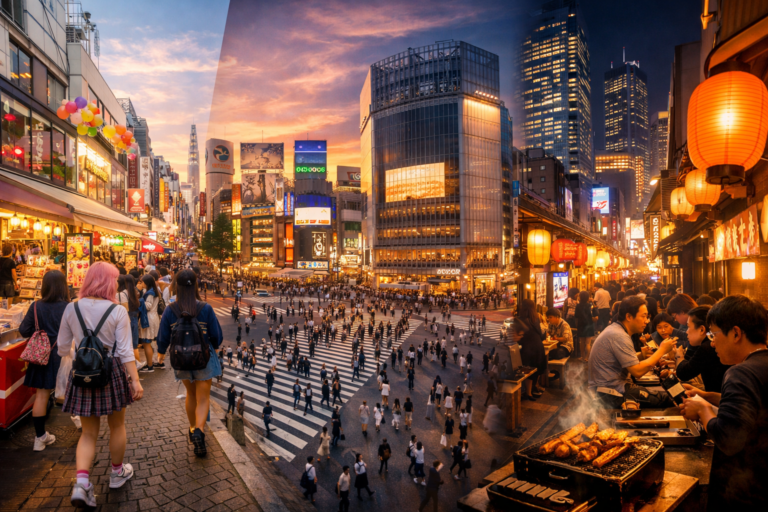
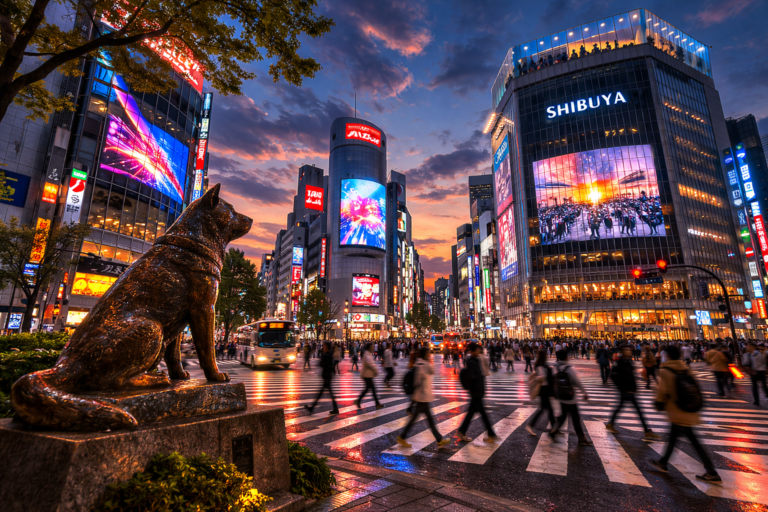
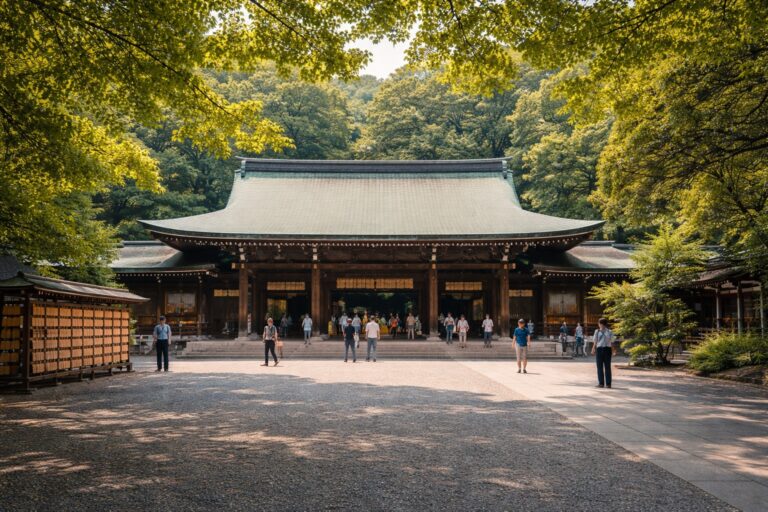
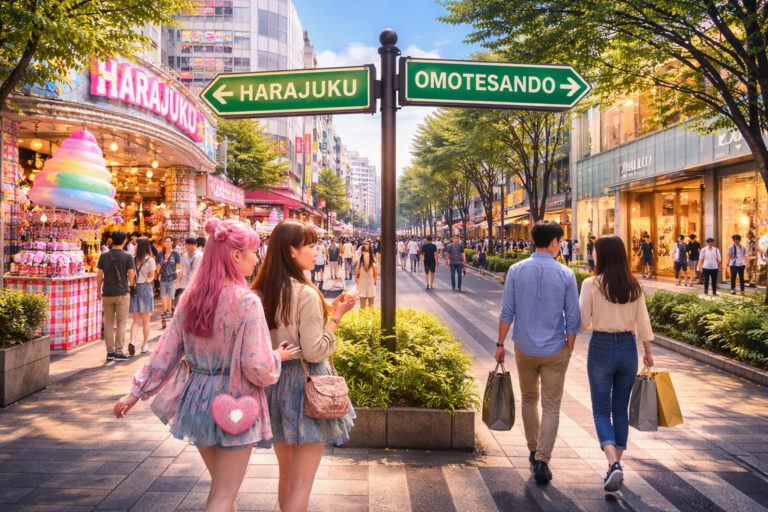
You may be coming here as the last stop in our one-day Tokyo itinerary—after starting with the calm of Yoyogi Forest/Meiji Jingu, moving through Harajuku, walking down Omotesando, and spending late afternoon in Shibuya (Crossing, Hachiko, and Shibuya Sky at sunset). If so, this guide is your clean handoff: Shibuya winds down, Shinjuku turns the lights on.
This post stays intentionally focused on Shinjuku night activities only (dinner alleys, nightlife streets, and how to choose the right vibe). If you want the full route and timing, head back to the main one-day itinerary hub, and if you’re planning earlier chapters, use the dedicated deep dives for Meiji Jingu, Harajuku, Shibuya, and Shibuya Sky—then return here when you’re ready to end the day in Shinjuku.
Explore Shinjuku with a fast Wi-Fi connection
Having a reliable connection is your key to finding the right exit and streets in a major station like Shinjuku with over 200 exits.
Genki Mobile offers three simple ways to stay online in Japan:
- Pocket Wi‑Fi for Japan travel: Best for groups or multiple devices (everyone connects to one hotspot).
- Japan Travel eSIM: Best if your phone supports eSIM and you want the lightest setup (no extra device). Quick to activate and ideal for solo travelers.
- Japan Tourist SIM card: Best if you prefer a traditional swap-in option or your phone doesn’t support eSIM.
Genki Mobile’s Japan travel Pocket Wi-Fi and SIM cards can be delivered to Haneda Airport, Narita Airport, or directly to your hotel, so you can get online as soon as you arrive in Japan.
Now that you are connected, let’s explore Shinjuku!
East, West, or South? Choosing Your Starting Point to Avoid Station Exhaustion
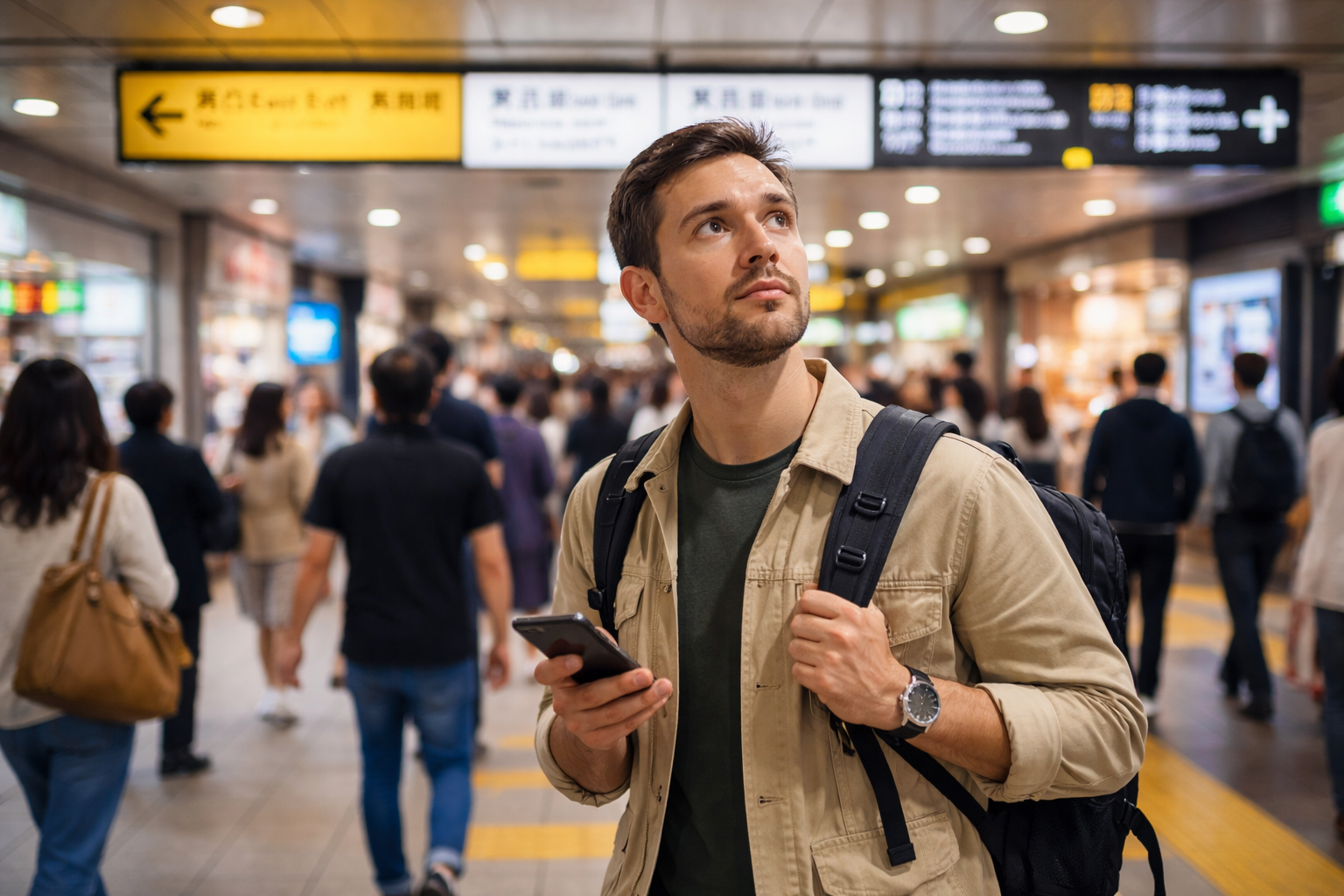
Stepping off the train here feels like entering a separate city rather than just a transit hub. With over 200 exits, relying on your phone’s GPS underground often leads to frustration as the signal bounces off thick concrete walls. The most effective strategy for Shinjuku night exploration is to ignore the blue dot on your screen and look up at the yellow overhead signs.
Think of the station as a central hub with three distinct “lobbies,” each offering a completely different version of Tokyo nightlife. If you pick the wrong one, you might walk twenty minutes just to get back to where you started.
If you head West, you enter the district’s quiet, vertical business sector. This is where you’ll find the Tokyo Metropolitan Government Building, which offers one of the best secrets in the city: a free observation deck on the 45th floor perfect for viewing the urban sprawl without buying a ticket.
Conversely, the East Exit plunges you directly into the sensory overload of neon lights and the famous “Cross Shinjuku Vision” billboard, where a hyper-realistic 3D calico cat meows at passersby from above.
Quick guide to choose your right Shinjuku exit:
To ensure you start your night on the right foot, choose your exit based on your immediate mood:
- For Photography: Take the East Exit to capture the 3D Cat and the “Godzilla Head” peeking over the cinema.
- For Views: Head to the West Exit for the peaceful, panoramic night skyline at the Government Building.
- For Dinner: The South Exit offers a modern, manageable terrace area perfect for easing into the crowd.
Once you’ve oriented yourself outside the East Exit, you are standing on the edge of Kabukicho. While the lights are inviting, this area requires a specific set of street smarts to navigate safely.
Is Kabukicho Safe? Navigating Neon Lights and Avoiding Tourist Traps
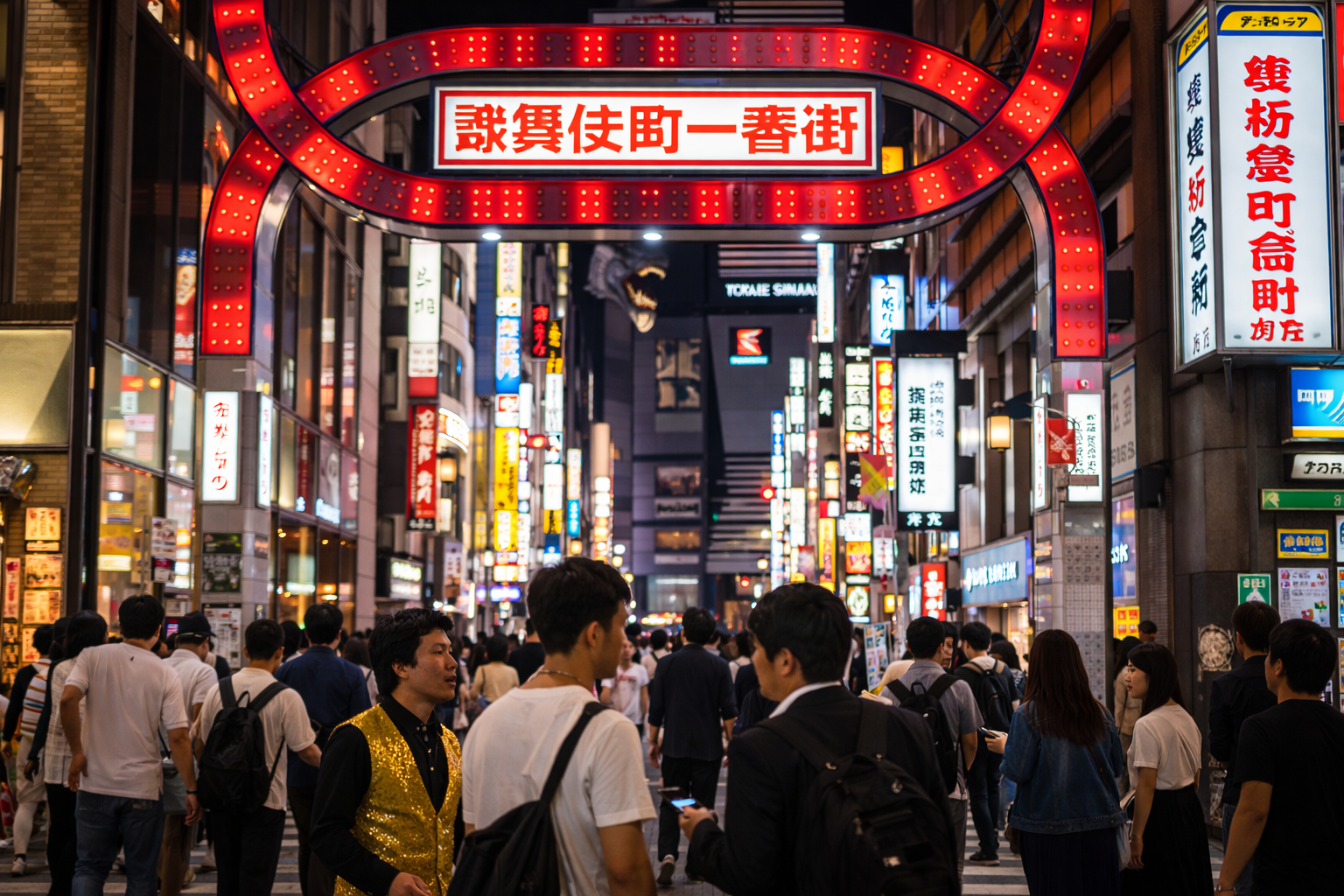
Crossing into the district under the glowing red archway feels like stepping onto a movie set, but this cinematic atmosphere comes with a unique social challenge. Many visitors ask, is Kabukicho safe for solo travelers at night? The answer is generally yes regarding physical safety, but your wallet requires extra protection.
Touts (aka) Street solicitors
As you walk down the central avenue, you will likely be approached by “touts”—men in suits or flashy vests promising cheap drinks or female company. These street solicitors are the gatekeepers to high-risk venues, and engaging with them is the most common mistake newcomers make. The most effective defense is the “social ghost” method: do not make eye contact, do not say “no thank you,” and simply keep walking as if they are invisible.
“Bottakuri” (rip-off bar)
Recognizing a bad deal before you enter a building is essential for avoiding tourist traps in Shinjuku. Legitimate Japanese pubs, or izakaya, will almost always have a menu with prices clearly displayed outside the front door and will never employ people to drag you in from the street. If a venue relies on aggressive street solicitation, it is often a “bottakuri” (rip-off bar) where hidden seating charges and exorbitant service fees can turn a single drink into a several-hundred-dollar ordeal. Treat the presence of a solicitor not as an invitation, but as a warning sign to keep moving toward more transparent establishments.
The safest route for your Shinjuku night
For the best visuals without the hassle, stick to the “Godzilla Road” (Central Road) that leads directly toward the massive cinema tower. This main artery is well-lit, heavily trafficked, and offers the perfect vantage point for Shinjuku neon light photography without forcing you into the darker, narrower side streets where solicitors congregate. Stay on this central path for about fifteen minutes to soak in the cyberpunk atmosphere, then bank right toward the darker, quieter perimeter. Here, the flashy neon fades, replaced by the warm, lantern-lit glow of a completely different era: the ramshackle architectural miracle known as Golden Gai.
The Golden Gai Survival Guide: Tiny Bars and Big History
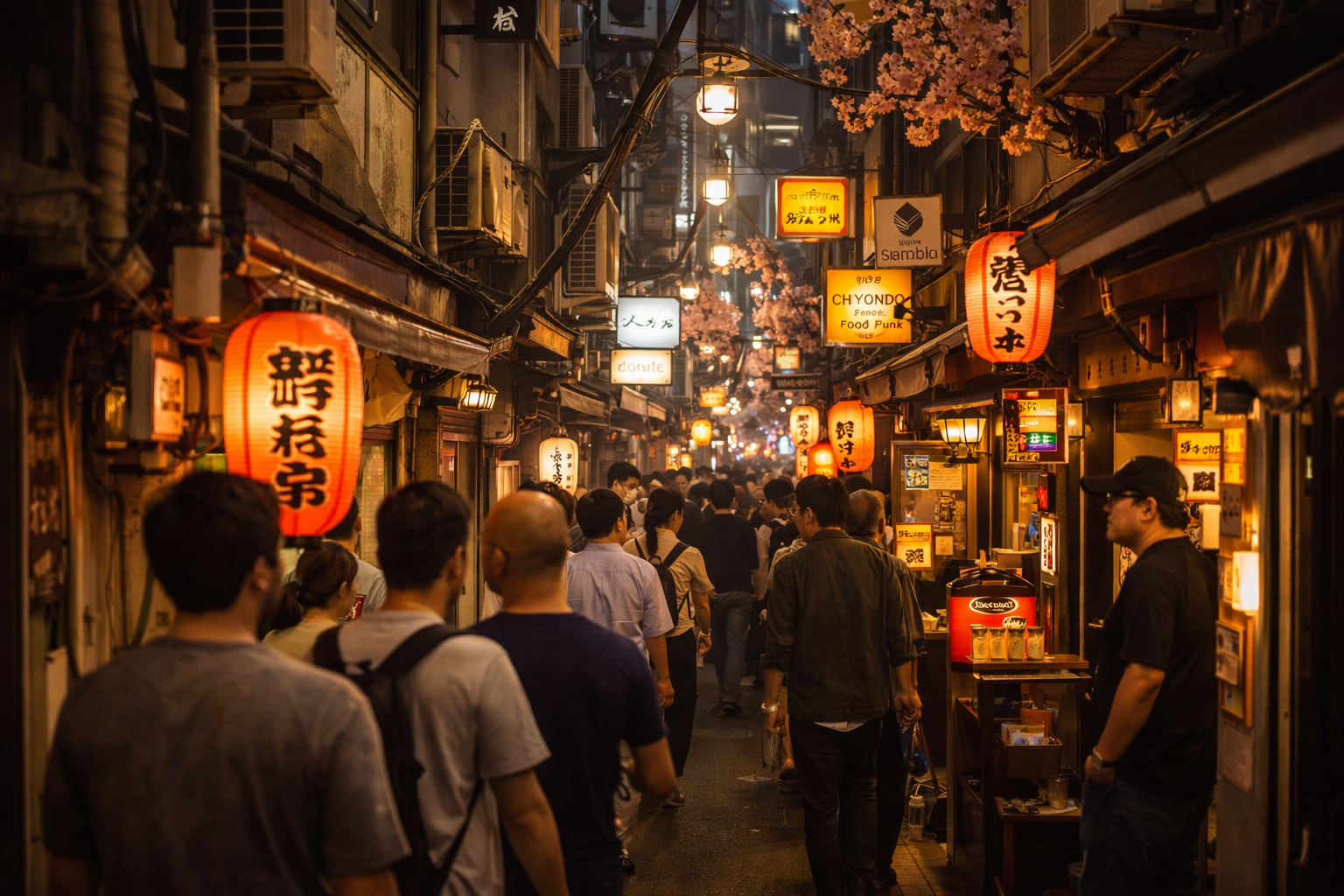
Stepping away from the robot restaurants and strobe lights, you will find a dense grid of nearly 300 ramshackle two-story buildings squeezed into an area smaller than a football field. This is Golden Gai, a miraculous survivor of Tokyo’s post-war redevelopment that flattened almost everything else. Unlike the corporate polish of the main streets, these alleys contain everything from punk rock dives to hidden jazz bars in Shinjuku, offering a glimpse into the chaotic, community-driven spirit of 1950s Japan.
Golden Gai bar-hopping guide
Exploring this area requires shifting your mindset from “customer” to “guest.” Most venues here are micro-bars, functioning like private living rooms that seat only five or six people at a time. Because real estate is so scarce, sitting down almost always incurs a “table charge” known as otoshi. Usually ranging from 500 to 1,000 yen, this fee isn’t a trap; it is a necessary cover charge that keeps these tiny independent businesses alive, often including a small bowl of nuts or stew as a welcoming gesture.
To navigate these intimate spaces like a pro, use this Golden Gai bar hopping guide for beginners:
- Check the Door: If a bar is full or has a “Members Only” sign, move along respectfully; many spots prioritize longtime regulars.
- Confirm the Cost: Look for English signage or prices posted outside to avoid surprise cover charges.
- No Paparazzi: Never take photos inside a bar without explicit permission, as privacy is paramount here.
- Read the Room: If a group is waiting outside, finish your drink and cycle out—lingering indefinitely is frowned upon in such small spaces.
Once you have experienced the moody, whiskey-soaked atmosphere of the Golden Gai, your appetite will likely kick in. While these bars focus on drinking, serious dining happens on the other side of the tracks. To find the city’s best charcoal-grilled skewers, you need to head back toward the station to master Omoide Yokocho
Mastering Omoide Yokocho: How to Eat in ‘Memory Lane’ Without the Stress
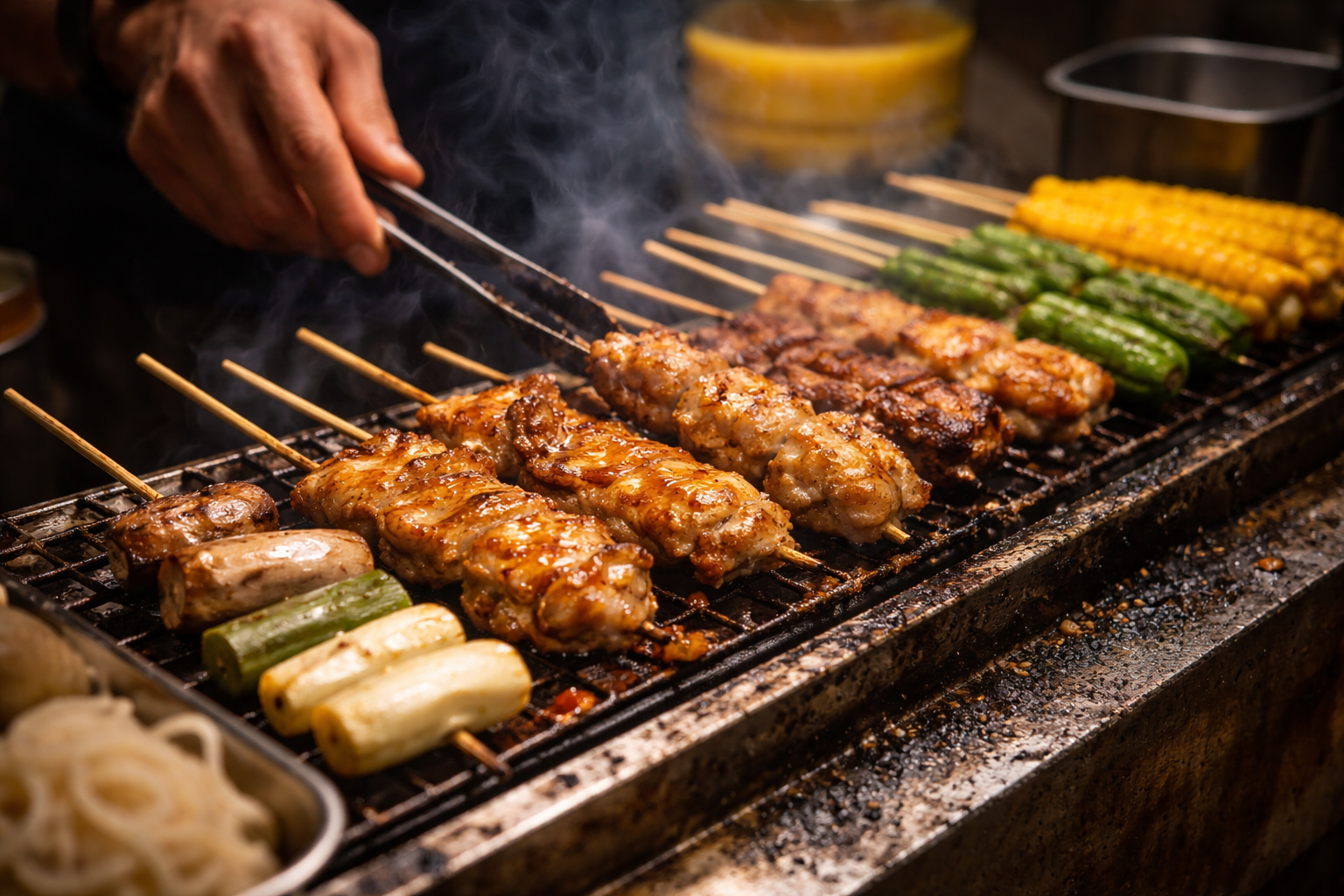
If Shibuya represents the futuristic, neon-polished face of Tokyo, Omoide Yokocho is its smoky, nostalgic heart. Known as “Memory Lane,” this narrow alleyway huddled against the train tracks transports you back to the Showa era (1926–1989), a time of post-war rebuilding and communal resilience. While the typical Shinjuku vs Shibuya nightlife experience often forces a choice between modern clubs and gritty authenticity, this specific alley offers a rare sensory overload where the steam from kitchens meets the rumble of trains overhead. It feels less like a tourist destination and more like a working-class time capsule that refuses to modernize.
Omoide Yokocho Dining Guide
Navigating these stalls can be intimidating due to the language barrier, but the food language is universal. The specialty here is quintessential Shinjuku street food, primarily yakitori (grilled chicken) and motsuyaki (grilled organ meats). If you are frozen by a handwritten Japanese menu, the magic word is “Omakase.” This simple request tells the chef to grill a selection of their best recommendations for you, removing the stress of deciphering specific cuts of meat. You will generally receive a mix of salty and sweet soy sauce flavors, transforming the challenge of how to navigate Omoide Yokocho food stalls from a translation test into a culinary adventure.
Dining here requires accepting a unique “space for time” contract. Because the stalls are incredibly narrow—often just a counter separating you from the grill—seats are precious real estate. The etiquette is simple: enjoy your meal, pay cash, and leave promptly so the next hungry patron can sit down. It is not a place for hours of deep conversation; it is a place for rapid-fire consumption and high energy. Once you are full of skewers and smoke, you will need to execute your departure before the subways shut down, leading directly into the midnight exit strategy: Don Quijote shopping and the last train survival guide.
The Midnight Exit Strategy: Don Quijote Shopping and the Last Train Survival Guide
With your appetite satisfied, you might notice the city’s energy hasn’t dipped. This is the prime window for late night shopping at Don Quijote Shinjuku, a towering discount store that functions less like a shop and more like a neon-lit maze. Locals often drift here to digest their meals while browsing everything from matcha KitKats to luxury watches. It serves as the perfect sensory buffer between the gritty alleyways and your journey home, provided you keep one eye strictly on the clock.
How to NOT miss the last train?
Unlike New York or London, Tokyo operates on a strict “Cinderella” schedule. The rail network shuts down for maintenance, creating a “Last Train” phenomenon where platforms surge with urgency. For most lines, the absolute cutoff sits roughly between 12:00 AM and 12:30 AM. Missing this window transforms a cheap subway ride into a potentially exorbitant taxi fare, making the last train survival guide for Tokyo travelers a financial necessity.
Should you miss that final connection, simply pivot to the local “wait-out” culture. Rather than wandering, look for a Manga Kissa (internet cafe) or one of the best themed cafes in Shinjuku open late. These venues offer private booths and unlimited drinks, serving as affordable temporary sanctuaries until service resumes at 5:00 AM.
The Midnight Survival Checklist:
- Check Balance: Top up your Suica/Pasmo card early to avoid gate d
- Locate Platforms: Arrive 15 minutes early; Shinjuku Station navigation takes time.
- Set Alarms: Set a phone alert for 11:45 PM to break the “nightlife trance.”
- Scout Taxis: Locate the official taxi queue at the East Exit as a backup.
- Map Refuges: Pin a nearby 24-hour cafe just in case.
From Chaos to Comfort: Finalizing Your Shinjuku Night Itinerary
You have transformed the district from an impossible neon labyrinth into a navigable map of opportunities. By sticking to the “Rule of Two”—choosing just two specific alleys or zones for your evening—you turn an overwhelming trek into a manageable adventure. Instead of rushing to see every billboard, you can now focus on the quality of the moment, understanding that successful Shinjuku night exploration is about immersion rather than completion.
Your three-hour journey can now effortlessly balance the sensory overload of the main streets with the intimacy of a six-seat bar. You understand that the otoshi fee is a welcome signal rather than a hidden cost, mastering authentic izakaya dining etiquette for tourists in the process. Even when the crowds peak, you know where to find the quietest places in Shinjuku after dark, giving you a secret vantage point that most visitors miss entirely.
You are no longer just an observer of the lights; you are a participant in Tokyo’s collective living room. Success is simply feeling comfortable in the chaos and finding your own micro-space within the bustle. Before you step out to claim your seat at the counter, ensure your Suica card has enough balance for the last train home. Shinjuku is ready to share its stories, one tiny doorway at a time.
If you want more deepdive guides and learn how to travel like a local, be sure to check out Genki’s Traveler Guide.